A prospective client has found three builders on Google. Two have dated websites with vague service descriptions and no recent work. The third shows relevant projects, clear credentials, areas covered and a simple route to request a quote. That is where construction web design earns its value. It gives people enough confidence to make contact before a competitor gets the opportunity.
For UK construction firms, a website is not simply an online brochure. It should support the way work is actually won: through reputation, evidence of quality, specialist capability and a prompt response to an enquiry. Whether you run a building company, roofing business, electrical contractor, architecture practice or materials supply operation, the right website can turn local searches into better conversations and more viable jobs.
What construction web design needs to achieve
A good-looking site is useful, but appearance alone will not generate enquiries. Your website needs to answer the questions a potential client is already asking: Can this firm handle my type of work? Have they completed similar projects? Are they qualified, insured and dependable? Can I get in touch quickly?
The best construction websites make these answers easy to find. They lead with a clear description of what the business does, who it serves and where it works. They then back up those claims with project photography, detailed case studies, testimonials, accreditations and direct calls to action.
This is especially important where the value of a project is high. A homeowner planning an extension, a developer appointing a contractor or a facilities manager sourcing a specialist subcontractor is taking a risk. Professional presentation reduces uncertainty. It helps your business look established, organised and ready to quote.
Start with the jobs you want to win
Before choosing colours, layouts or features, decide what sort of enquiries the site should produce. A general builder may want extensions, loft conversions and renovation projects within a defined radius. A commercial contractor may be targeting fit-outs, maintenance contracts or tender opportunities. A supplier may need online orders as well as trade account enquiries.
This decision shapes the whole website. If you want higher-value extension work, that service should not be hidden beneath a broad list of capabilities. Give it a focused page explaining your process, typical project scope, previous work and the next step for the customer. The same applies to every priority service.
Trying to appeal to everyone can dilute the message. A business that genuinely covers a wide range of services can still structure its website around the areas that are most profitable, most achievable and most likely to lead to repeat work.
Make your service pages specific
Generic pages rarely perform well in search or conversion. A page titled “Building Services” says little on its own. A page built around “House Extensions in Leeds” or “Commercial Refurbishment Contractors in Birmingham” gives users and search engines much clearer context.
Each key service page should explain the type of work, the clients you help, your approach, relevant qualifications and examples of completed projects. It should also include a practical enquiry route. A visitor should not have to hunt for a phone number or complete a lengthy form just to ask whether you cover their area.
Avoid claiming expertise you cannot demonstrate. It is better to have a smaller number of strong, evidence-led pages than dozens of thin pages built around every possible trade term.
Show proof, not just promises
Construction is visual, but a portfolio should do more than display attractive finished images. It needs to demonstrate competence. A strong project page can show the starting point, the challenge, the scope of works, key materials or methods used, and the result achieved.
For example, an extension case study might explain that the client needed an open-plan family kitchen, that structural alterations and steelwork were required, and that the project was completed to an agreed programme. This gives a prospective customer useful evidence that your team understands comparable work.
Use real photography wherever possible. Stock images may help fill a visual gap, but they cannot replace photographs of your own team, sites and completed projects. Good images do not have to be overly polished. Clear, well-lit photographs that accurately show the work will often build more trust than glossy images that could belong to any company.
Testimonials should be placed alongside relevant services or projects, rather than isolated on one hidden page. A review from a homeowner about a successful loft conversion is most convincing when a visitor is considering a loft conversion themselves.
Build trust into every key page
Credentials matter in construction, particularly when customers are comparing firms they have never used before. Display recognised accreditations, insurance details, health and safety information and trade memberships where they are relevant. Do not use badges as decoration. Make sure they are current and that your website accurately represents what each certification means.
Trust also comes from clarity. State your business location, the areas you cover, your trading history and the best way to contact you. If you offer guarantees, finance options, free surveys or emergency call-outs, explain the conditions plainly.
For larger contractors and developers, it can also be useful to include a dedicated company profile covering sectors served, compliance approach, supply chain capability and tender readiness. The level of detail depends on the buyer. A homeowner needs reassurance and a straightforward quote route; a commercial client may need evidence of capacity, policies and relevant experience.
Make enquiries easy on mobile
Many construction searches happen on a phone, often when someone has seen a problem or is collecting quotes outside working hours. If your mobile site is slow, difficult to read or awkward to use, potential work can disappear before you know it was available.
Every page should provide a clear next action. That may be calling the office, requesting a site visit, sending drawings, asking for a trade account or requesting a callback. The best choice depends on the service. A small repair business may benefit from a click-to-call button, while a developer-focused contractor may need a more detailed project enquiry form.
Keep forms proportionate. Asking for a name, contact details, postcode and a brief outline of the job is usually enough for an initial enquiry. You can gather plans, budgets and access details during the follow-up. Long forms can discourage genuine prospects, particularly on mobile.
Fast response is part of conversion too. A website can create the lead, but it cannot win the job if enquiries sit unanswered for days. Set expectations around response times and make sure the person receiving leads has a reliable process for following them up.
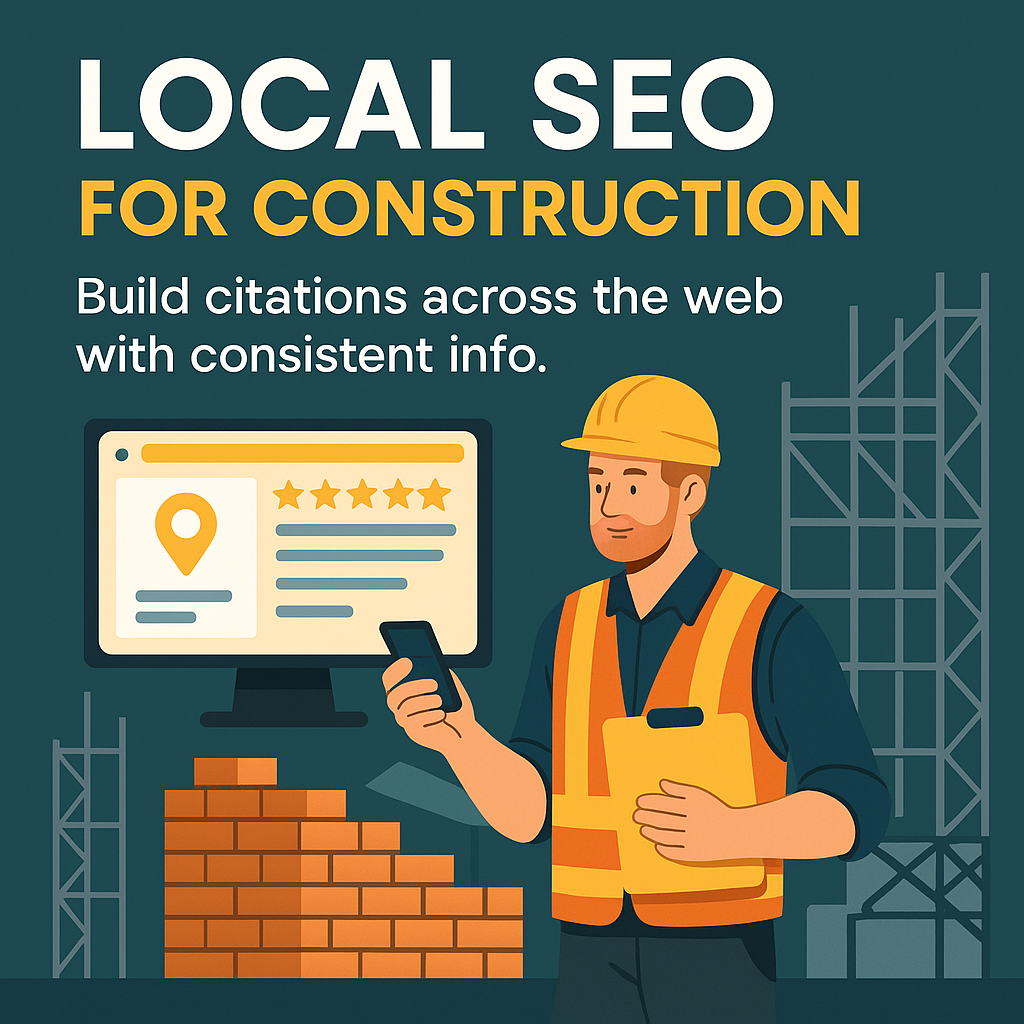
Use local SEO to be found in the right areas
A well-built website should give Google clear signals about your services and locations. This does not mean repeating town names unnaturally across every paragraph. It means creating useful pages that reflect genuine areas served, supported by consistent business details, project evidence and well-structured content.
For a regional builder, pages for core locations can work well when each has a real purpose. You might reference local projects, the types of work commonly undertaken there and the practical areas covered. Creating hundreds of near-identical location pages is unlikely to help users and can weaken the quality of the site.
Technical foundations matter as well. Your website should load quickly, work securely, be easy for search engines to crawl and include clear page titles, headings and image descriptions. These details are not glamorous, but they support visibility and make the site easier to use.
SEO is usually a longer-term investment. A new site can provide a much stronger starting point, but competitive searches for builders, contractors and trades often require ongoing work. Publishing new projects, improving service pages and reviewing search performance gives your site a better chance of gaining ground over time.
Choose features that support your business model
Not every construction business needs the same website. A sole trader may need a focused five-page site, a strong gallery and dependable local search foundations. A growing contractor may require separate service areas, recruitment pages, project case studies and ongoing SEO support. A merchant or supplier may need e-commerce functionality, product categories, delivery information and trade pricing arrangements.
The trade-off is between simplicity and scale. Too few pages can limit your ability to explain specialist services and rank for relevant searches. Too much complexity can make a website expensive to manage and confusing for visitors. The right solution is the one that makes it easier for your ideal client to understand your offer and take action.
WordPress is often a practical choice because it can grow with the business. It allows approved team members to add projects, update services and publish news without rebuilding the whole site. However, it still needs regular maintenance, security checks, backups and performance monitoring. A website is an active business asset, not a one-off purchase to leave untouched.
Plan for launch, then improve from real data
A sensible construction website project moves through clear stages: planning the target audience and services, designing the page structure, developing and testing the site, launching it correctly, then reviewing what happens next. Analytics and enquiry tracking are essential because they show which pages attract visitors, where leads come from and which campaigns are producing value.
Do not judge a new site only by how it looks on launch day. Watch whether visitors reach service pages, submit forms, call from mobile devices and spend time viewing project work. These signals help you improve the content and focus marketing spend where it is most likely to produce a return.
The most effective website is one your team can stand behind. Keep adding completed work, keep credentials current and make it easy for good prospects to get in touch. When your online presence reflects the standard of your work on site, it becomes a practical tool for building trust and winning the next job.