WordPress Websites for Contractors That Win Work
A potential client may decide whether to contact your firm before they have read more than a few lines of your website. They want to see what you do, where you work, whether you are qualified and whether the quality of your past projects matches their job. WordPress websites for contractors should answer those questions quickly, then make the next step – requesting a quote, arranging a site visit or making a call – straightforward.
For UK contractors, the website is not simply an online brochure. It is a sales tool that supports referrals, local Google searches, tender opportunities and repeat business. A professionally built site gives a building firm, specialist trade or developer a place to demonstrate evidence of its work when trust matters most.
Why contractors need a website built around proof
Construction clients rarely buy on price alone. A homeowner planning an extension, a facilities manager appointing a maintenance contractor or a developer looking for a reliable subcontractor all need reassurance before they make contact. They may have found several firms offering similar services in their area. The company that presents clear evidence, communicates professionally and makes it easy to enquire has a stronger chance of winning the conversation.
That is why generic templates often fall short. A contractor’s site needs to do more than look tidy. It should lead visitors towards the information that helps them make a decision: relevant services, completed projects, credentials, service areas and a clear route to contact the business.
The right approach depends on the type of work you undertake. A groundwork contractor may need to show plant, site capability and commercial experience. A roofing firm may need before-and-after photographs, guarantees and rapid repair enquiry options. A property developer may need individual development pages, specifications, availability and buyer registration forms. The structure should reflect how your customers choose a provider.
The pages that turn visits into enquiries
A successful contractor website gives each important service and audience a clear path. It does not force visitors to hunt through a gallery or a long block of company history to understand the offer.
Your homepage should state what you do, the areas you cover and why clients should choose you. It should also feature a visible phone number and enquiry button, especially on mobile. Many construction enquiries happen between site visits, in the evening or when a client has just received another firm’s quote. If contacting you takes effort, that opportunity can disappear.
Beyond the homepage, four areas are particularly valuable:
- Service pages explain each core offer in plain language, such as new builds, extensions, commercial fit-outs, drainage, electrical installation or planned maintenance. These pages also help Google understand the searches your business should appear for.
- Project portfolio pages show completed work with useful context. Include the project type, location, scope, materials or methods used, challenges resolved and finished result. Strong photography matters, but detail builds credibility.
- Accreditations and trust pages display relevant memberships, insurance, health and safety standards, warranties, qualifications and certifications. Only show credentials that are current and meaningful to the work you carry out.
- Contact and quotation pages make it easy for a prospect to explain their requirements. Ask for the essentials, such as location, project type, budget range where appropriate and preferred contact method, without turning the form into paperwork.
Testimonials also deserve a prominent place. A short, specific review from a homeowner, architect, main contractor or commercial client can be more persuasive than a broad claim that you provide excellent service. Where permission allows, link a testimonial to the type of project completed so visitors can see the relevance.
How WordPress supports a growing construction business
WordPress is a practical choice because it can grow with the business. A contractor may start with core service pages and a small portfolio, then add case studies, new locations, recruitment pages, advice content or supplier information as the business develops. You do not need to rebuild the entire website every time the company takes on a new service line.
It also gives your team control over routine updates. Once the site is properly configured, an office manager or director can add a new project photograph, update a service area or publish a customer review without relying on a developer for every small change. That said, access should be managed carefully. Poorly sized images, inconsistent wording and untested changes can weaken the site, so it is sensible to have clear processes and ongoing support.
For suppliers and merchants, WordPress can also support e-commerce. Product categories, technical information, trade account enquiries, collection options and local delivery arrangements can all be structured around the way customers buy materials and equipment. A simple catalogue may be enough for one business; another may need full online ordering, stock integration and delivery rules. The best solution follows the sales process rather than adding features for their own sake.
Search visibility starts with the right structure
A good-looking site will not generate consistent enquiries if local customers cannot find it. Search engine optimisation should be built into the website from the start, not treated as an afterthought once the site has launched.
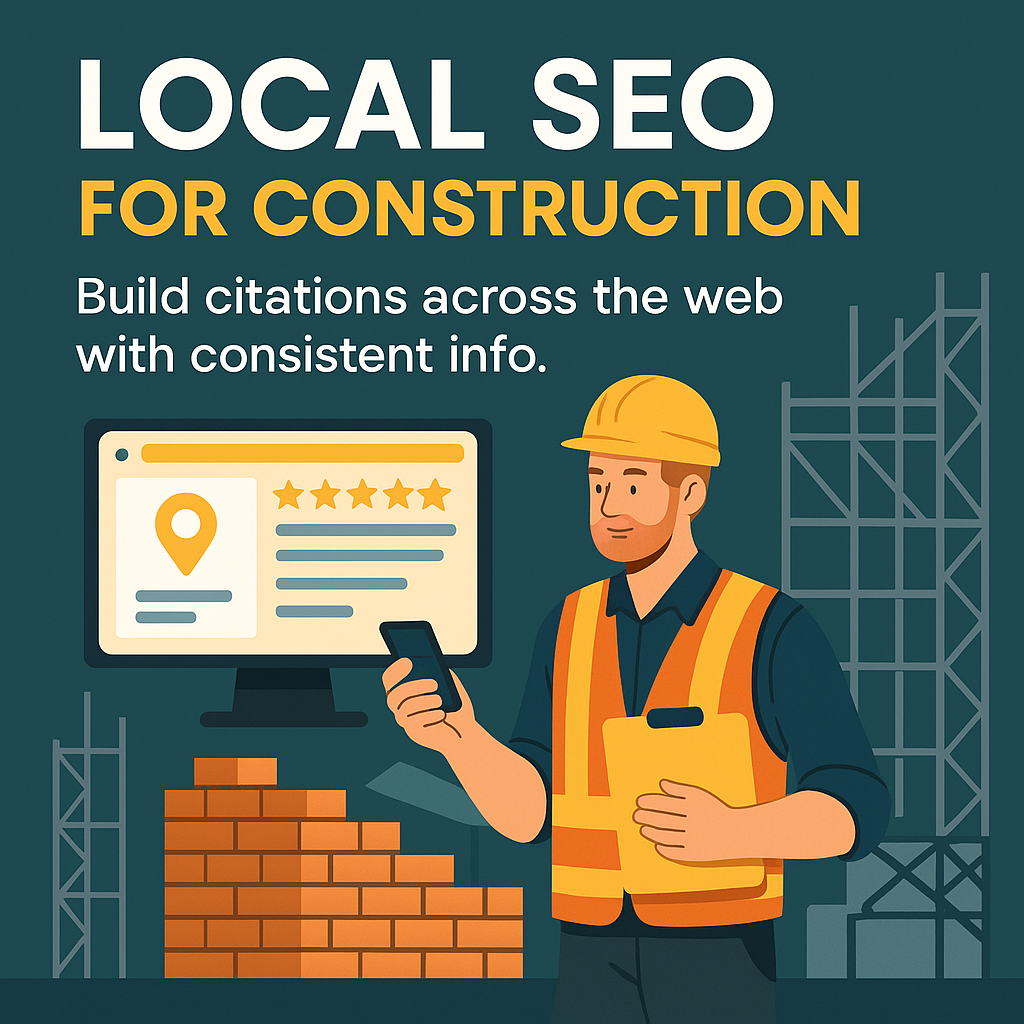
For contractors, this usually begins with clear pages for genuine services and geographical areas. A builder operating across Birmingham, Solihull and the Black Country, for example, needs content that accurately explains where it works and what it delivers in each market. Copying the same page and changing the town name is not a credible long-term strategy. Useful local pages include real project evidence, relevant services and details that prove the business operates in that area.
Technical foundations matter too. The website should load quickly, work properly on mobile phones, use secure hosting and be easy for search engines to crawl. Page titles, headings, image descriptions and internal page structure all play a part. None of these actions replace quality work or a good reputation, but they help the right audience find the evidence you already have.
SEO takes time, particularly in competitive markets such as London, Manchester, Leeds and Birmingham. Firms should be wary of promises of instant first-place rankings. A more dependable goal is steady improvement in useful search visibility, combined with better conversion once visitors arrive.
Design for busy clients, not design awards
Construction decision-makers are often busy. They may be reviewing suppliers from a phone on site, comparing contractors between meetings or checking a recommendation late in the evening. The site needs clear navigation, readable text and fast access to proof of capability.
This does not mean the design should be plain or forgettable. It means every visual decision should support trust. Professional photography, consistent branding, strong project imagery and well-spaced pages can show the standard of your firm. But a dramatic banner image should never hide your phone number, and an animated effect should not slow down the page.
Mobile performance deserves particular attention. If project galleries are difficult to browse on a phone or enquiry forms are awkward to complete, the website creates friction at the exact moment a prospect is ready to act. Test it as a customer would: search for a service, view a project, check your credentials and submit an enquiry in under a minute.
Keep the website current after launch
A website is most persuasive when it reflects the business as it operates now. A portfolio that ends three years ago, expired certificates or a service list that no longer matches your work can make an established contractor appear inactive.
Set a manageable update routine. Add strong completed projects when they are photographed and signed off. Publish recent reviews. Check contact details, staff information and accreditations. Review which pages generate enquiries and which services people search for most often. Small, regular improvements are usually more effective than allowing the site to stand still until it needs another redesign.
Ongoing maintenance also protects the investment. WordPress core files, themes and plugins need monitored updates, backups and security checks. The cheapest hosting arrangement is not always the best value if the website is slow, unsupported or difficult to recover after a problem. For a firm relying on enquiries, reliable hosting and accountable support are commercial essentials.
Choosing the right web partner
When comparing providers, look beyond the initial design price. Ask how the website will generate leads, how project work will be presented, whether local SEO is included, who handles ongoing maintenance and what happens when your business needs to expand. A construction specialist should understand why certifications, tender experience, project values, service areas and site photography can influence a buying decision.
Construction Web Design UK builds WordPress sites around those practical requirements: presenting work professionally, strengthening local visibility and giving prospective clients a clear reason to get in touch. The most effective website is not the one with the most features. It is the one that makes a capable contractor easier to find, easier to trust and easier to appoint.